Sustainability is becoming an increasingly important consideration in how businesses choose, manage and operate their workplaces.
Recent research from CBRE found that 45% of European office occupiers are targeting Net Zero by 2030, up from 37% in 2024. At the same time, 65% are planning to relocate within the next three years as businesses reconsider what they need from their office space.
These findings point to a significant shift in workplace priorities. Businesses are looking for buildings that support their people, improve efficiency and help them meet increasingly ambitious environmental commitments.
But achieving those ambitions isn't simply about choosing the right building. It's also about how that building is managed every day.
Your Cleaning Partner Has a Part to Play
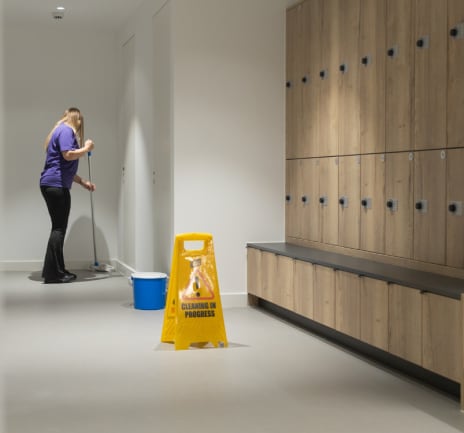
Commercial cleaning is essential to keeping workplaces safe, hygienic and welcoming, but like any operational service, it also uses resources.
Cleaning products need to be manufactured, packaged and transported. Equipment consumes energy, waste needs to be managed and cleaning teams travel between locations. Across a large building or an entire property portfolio, these activities can have a significant cumulative impact.
For organisations working towards environmental targets, it's worth considering how their cleaning arrangements fit into the wider picture.
Are products being used efficiently? Could packaging and unnecessary waste be reduced? Is the cleaning provider measuring its own environmental performance?
These are practical questions that can lead to meaningful improvements without compromising cleaning standards.
At Edwards Commercial Cleaning, we've seen how reviewing established processes can identify opportunities to work more responsibly. Reducing reliance on single-use plastics, introducing concentrated and refillable cleaning solutions and improving fleet efficiency have all formed part of our approach.
We've also worked to better understand our carbon footprint and measure the impact of the changes we're making.
Our latest Carbon Report recorded a 15.2% year-on-year reduction in gross carbon emissions.
It's an encouraging result and demonstrates the value of continually reviewing how a business operates. Environmental improvement rarely comes from one decision. It comes from making practical changes wherever possible and measuring their impact over time.
Working Towards Shared Sustainability Goals
As sustainability becomes a greater consideration in procurement decisions, businesses need confidence that their suppliers' environmental commitments are supported by meaningful action.
For commercial cleaning, that might include carbon reporting, waste reduction initiatives, responsible purchasing and recognised environmental management standards.
ISO 14001, for example, provides a framework for organisations to manage their environmental responsibilities and continually improve their performance.
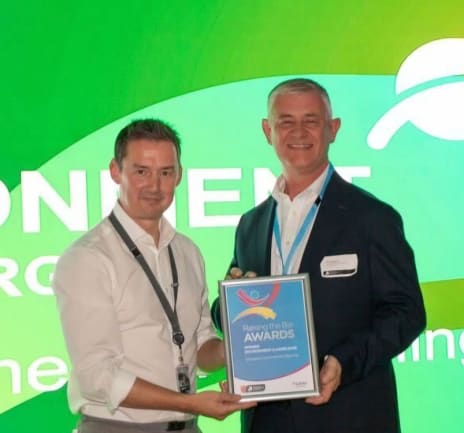
Edwards Commercial Cleaning has maintained ISO 14001 certification since 2012. Our environmental work has also recently been recognised through the NEAA Sustainability Award and the Environment Award (Large Business) at the West & North Yorkshire Chamber of Commerce's Raising the Bar Awards 2026.
Working closely with clients is equally important. By understanding their environmental objectives, cleaning providers can review existing specifications, identify opportunities to reduce waste and make sure their services support wider sustainability goals.
For businesses evaluating their suppliers, the important question isn't simply whether a company has an environmental commitment. It's whether that commitment is reflected in the way it operates.
And as workplace expectations continue to evolve, cleaning providers need to evolve with them.
Creating a more sustainable workplace isn't just about the building you choose.
It's about the decisions you make within it every day.